 Admiria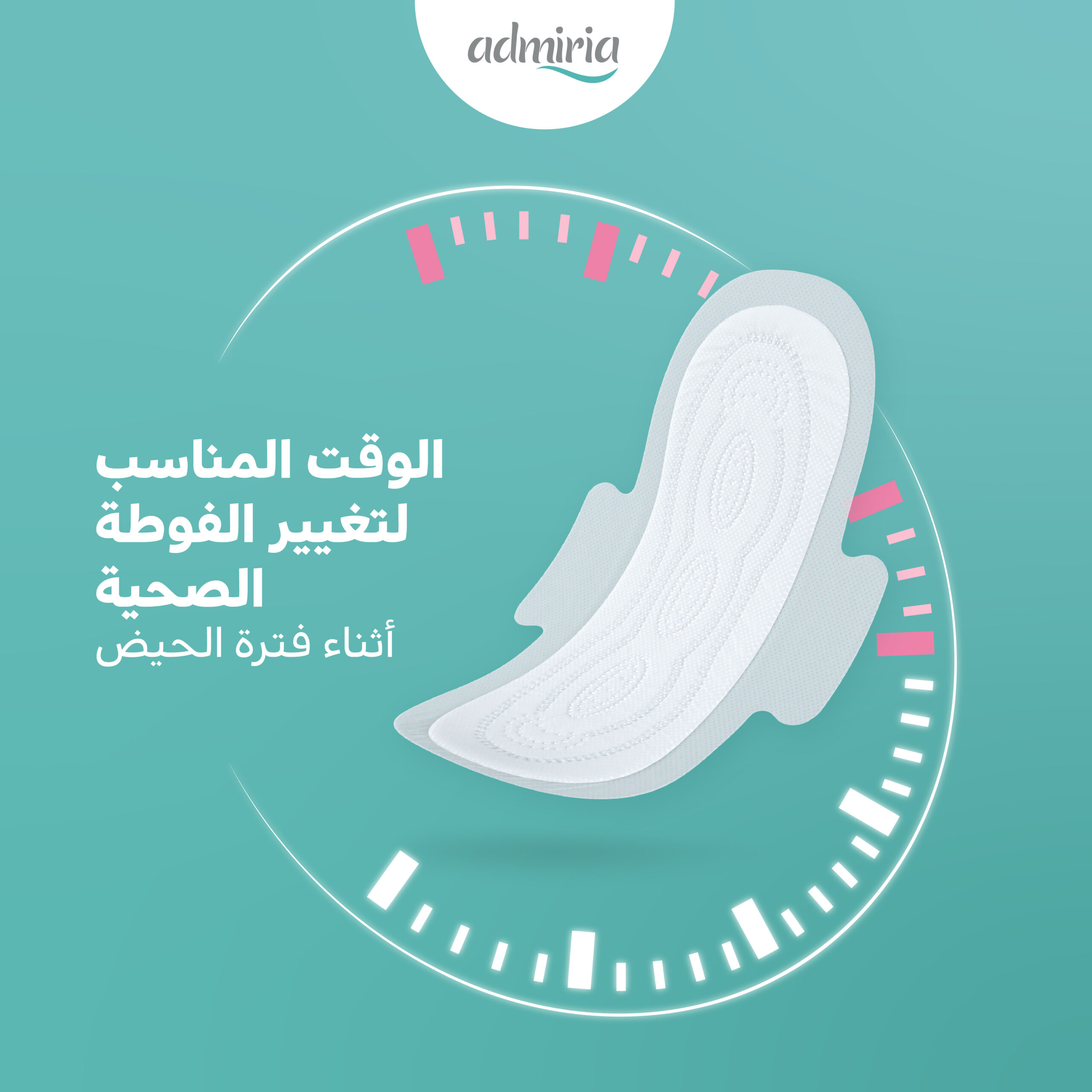
The Right Time to Change a Sanitary Pad During Menstruation
Why Every 3 to 4 Hours Matters?
Menstruation is a natural part of women’s lives. When managed with awareness and proper care, it can become much more comfortable and manageable. One of the most important hygiene practices during this time is changing sanitary pads at the right intervals—a topic that is still surrounded by many misconceptions.
At Admiria, we believe that awareness means caring for your body and your health. That’s why it’s important to know that the standard and recommended time to change a sanitary pad during your period is every 3 to 4 hours, even if the pad is not completely full.
Why Should Sanitary Pads Be Changed Every 3 to 4 Hours?
Menstrual fluid is not just blood. It is a combination of blood, uterine tissue, vaginal discharge, and moisture. When this mixture stays in contact with body heat for too long, it creates an environment that can encourage bacterial growth and cause skin discomfort.
Changing your pad every 3 to 4 hours helps to:
- Prevent bacterial growth and unpleasant odors
- Reduce the risk of vaginal and skin infections
- Avoid redness, itching, or irritation in the intimate area
- Maintain a feeling of dryness, cleanliness, and comfort throughout the day
This timing is a simple yet essential recommendation based on hygiene and health.
Does the Amount of Bleeding Affect How Often You Should Change Your Pad?
Yes—but not in a way that should be ignored. During the first days of menstruation, when bleeding is heavier, you may need to change your pad sooner than every 3 hours. However, in the later days, many women assume that lighter bleeding means the pad can be worn longer.
The reality is:
Even with light bleeding, a pad should not be worn for more than 4 hours.
Moisture and discharge are still present, and prolonged contact with the skin can lead to irritation and discomfort.
What Happens If You Delay Changing Your Pad?
Postponing pad changes may seem harmless at first, but over time it can lead to issues that are completely preventable, such as:
- Unpleasant odors
- Skin irritation and inflammation
- Increased risk of fungal and bacterial infections
- A feeling of heaviness, discomfort, and reduced self-confidence
At Admiria, we see menstruation as part of everyday life—not something that should limit comfort or well-being. Small habits like timely pad changes can make a big difference.
The Difference Between Changing Pads During the Day and at Night
During the day, regular pad changes are especially important due to increased movement, sweating, and daily activities. At night, pads with higher absorbency are often used, but this does not mean they are designed for extended use without changing.
It is recommended to:
- Always change your pad before going to sleep
- Use a fresh pad immediately after waking up
Even high-absorbency pads are designed to provide extra protection—not to replace regular changing.
Choosing the Right Pad: The Perfect Partner to Timely Changes
Changing pads regularly is most effective when paired with the right product. A standard, high-quality sanitary pad should:
- Offer appropriate absorbency
- Have a soft top layer suitable for sensitive skin
- Help maintain dryness and comfort
- Allow the skin to breathe
Admiria sanitary pads are designed with comfort, safety, and skin compatibility in mind, helping create a calmer and more reassuring period experience when combined with timely changes.
A Common Myth: “If the Pad Isn’t Full, It Doesn’t Need to Be Changed”
This is one of the most common misconceptions. Sanitary pads are designed to absorb moisture, but prolonged contact with that moisture is not healthy for the skin.
Simply put:
Pads are designed for temporary use—not extended wear.
Conclusion: A Simple Habit, A Serious Form of Care
Changing your sanitary pad every 3 to 4 hours is one of the simplest and most effective ways to protect your health during menstruation. This habit:
- Helps prevent infections
- Protects skin health
- Enhances comfort and self-confidence
At Admiria, we believe that caring for your body is a form of self-respect. Awareness, informed choices, and listening to your body’s needs can turn period days into safer, calmer, and more manageable experiences.

On World Menstrual Hygiene Day, we have the opportunity to talk not only about a biological need but also about justice, health, and the ...

There are many reasons why a woman’s period may be late, or her period may stop altogether. Some women always have irregular ...
What are the reasons of early periods? When you have an early period, you might have concerns about your health. Women’s menstruation ...

The Importance of Awareness and Prevention Every year, October is recognized worldwide as Breast Cancer Awareness Month — a time ...